Table Of Content
- When coupled with rain, cruise control can lead to disastrous — and potentially deadly — results.
- Is It Dangerous To Use Cruise Control In The Rain Or Snow?
- Why You Shouldn’t Use Cruise Control When It’s Raining
- Your Cruise Control Speed May Be Unsafe When It’s Raining
- How to keep safe in all weather conditions with Motive
- Limitations of cruise control
- Avoid Cruise Control On Slippery Roads

The only person the accident victim found who knew this, (besides the Officer), was a man who’d had a similar accident, totaled his car and sustained severe injuries.. Use of the cruise control in these conditions can be dangerous. The patrolman said this warning should be listed, on the drivers seat sun-visor - NEVER USE THE CRUISE CONTROL WHEN THE PAVEMENT IS WET OR ICY along with the airbag warning. The only person I've found out who knew this (besides the patrolman) was a man who had a similar accident and totaled his car. This has made me wonder if this is not why so many of our young people are dying in accidents. And in city environments, with pedestrians crossing streets, it’s good to turn cruise control off.
When coupled with rain, cruise control can lead to disastrous — and potentially deadly — results.
Fleet management software also makes it easier to identify best- and worst-performing drivers and simplifies driver coaching too. Even cars older than the 1990s will kill the cruise control from even the briefest tap on the brakes; if a cruise setup keeps accelerating, something is very wrong. This isn’t unique to one particular brand, this is how all cruise control systems work, and have worked since the widespread adoption of vehicle stability systems in the early 1990s.
Is It Dangerous To Use Cruise Control In The Rain Or Snow?
Cruise control is a great feature, especially on those long road trips. However, using cruise control on slippery roads is not a good idea. Cruise control operation on rainy days can result in a skid or spin when driving on low-traction surfaces. Keep reading to learn why you should not use cruise control in the rain. Driving at high speeds on wet roads might cause your vehicle to lose traction and hydroplane because your tires spin too quickly to grasp the surfaces effectively. What does cruise control have to do with aquaplaning and travelling faster than the pre-set speed?
Why You Shouldn’t Use Cruise Control When It’s Raining
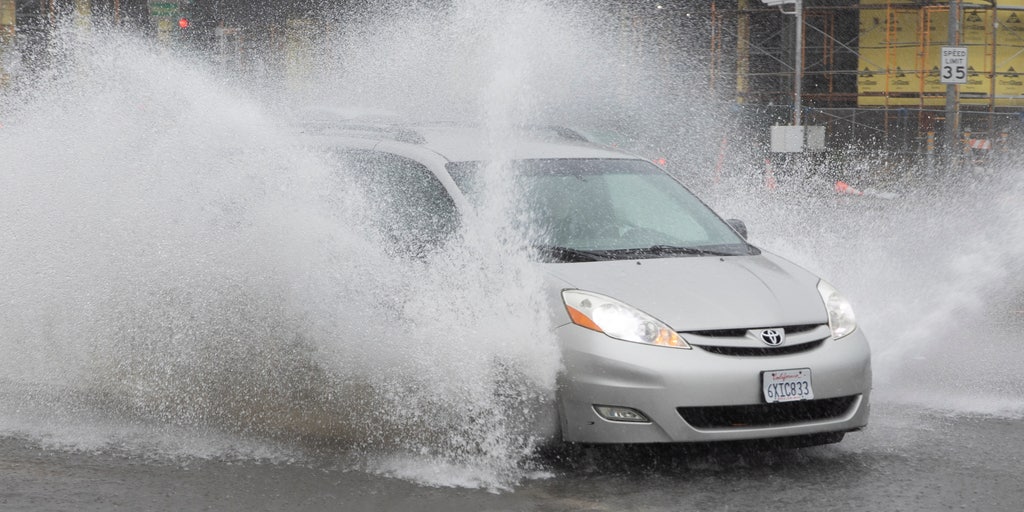
In fact, drivers are required to turn on vehicle headlights when it rains in many states (day or night). This is meant to improve your visibility and the ability of other drivers to see you. A newer car comes with automated running lights but, in the rain, turning the actual headlights on will also turn on the backlights.
Your Cruise Control Speed May Be Unsafe When It’s Raining
It may be necessary to pull over if you can no longer see through your windows. When accelerating, turning, braking, or steering in the rain, drive smoothly to retain maximum control. Make gradual speed or steering changes, and start slowing your vehicle by taking your foot off the gas earlier than you normally would before gently squeezing the brake pedal. Cruise control allows drivers to maintain a steady speed while using less gas. Turning on your high beam lights isn’t a good idea, though, as they will be too reflective and can make it more difficult for both you and other drivers to see. All these concerns are compounded for commercial drivers, so read on for driving in the rain safety tips.
How to keep safe in all weather conditions with Motive
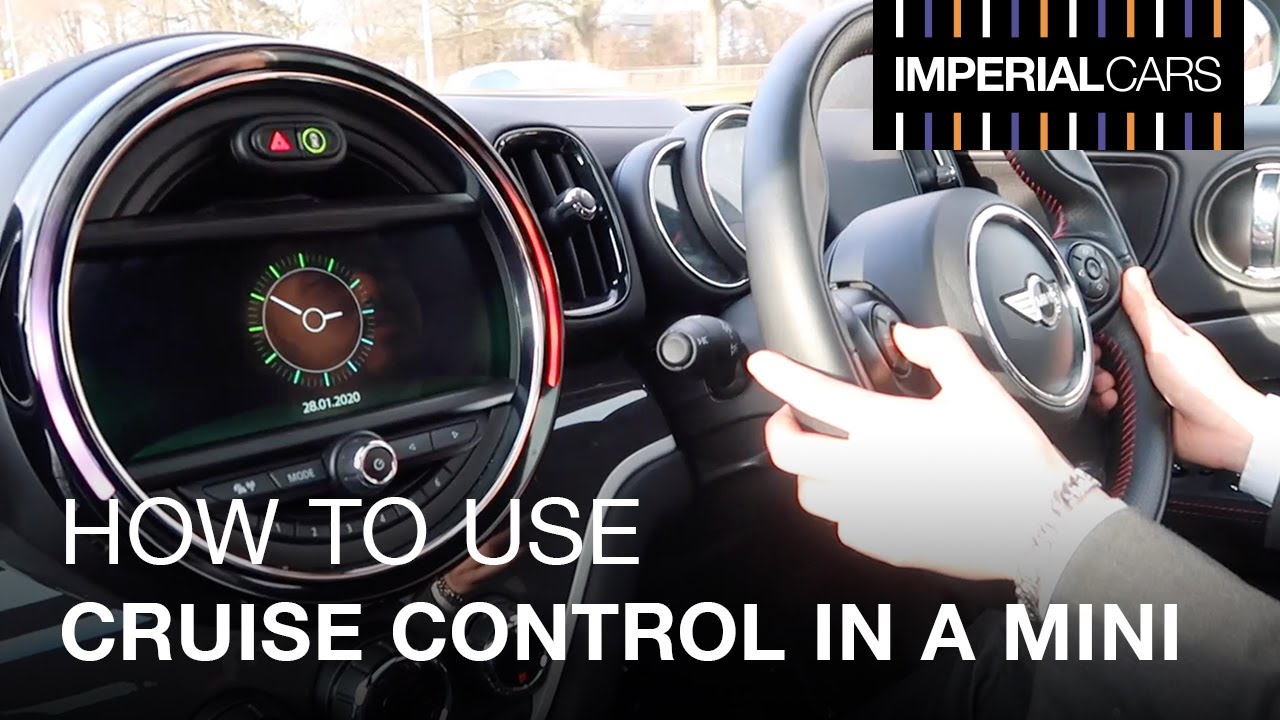
Cruise control is helpful in relieving some of the exhaustion related to long-distance driving as well as maintaining a consistent speed which could be very useful for lead-foot drivers. Learn about cruise control and best practices for using this handy feature before your next long-distance road trip. The bare minimum of options with cruise control is on/off, set and cancel. Most have a resume function which restores your last speed, and most new ones have the ability to increase or decrease the speed in 1mph increments (and sometimes bigger jumps). Some systems also have a speed limiter option and more advanced systems use radar to detect the distance to the vehicle in front and adjust your speed to its speed while keeping a safe distance.
Tips for driving in the rain as a truck driver
Arkansas: Tips on how to drive safely in a rainstorm - 4029tv
Arkansas: Tips on how to drive safely in a rainstorm.
Posted: Mon, 01 Apr 2024 07:00:00 GMT [source]
Such systems don’t decelerate if the vehicle in front slows due to any reason or when there’s an accident ahead in your lane. According to the Institute of Electrical and Electronics Engineers, most adaptive cruise control systems have a response time of 1.1 seconds, significantly longer than human drivers. This delayed response time may cause an accident if an obstacle or a vehicle ahead poses a threat. Hydroplaning is one of the most common car accidents in the rain because drivers can lose control. If your car hydroplanes, calmly take your foot off the accelerator and steer. You should steer in the direction that the front of your car wants to go.
Limitations of cruise control
Cruise control also restricts your capacity to make quick judgments while using cruise control in the rain. In typical driving circumstances, slowing speed is as simple as relaxing off the gas pedal. If this happens while you’re on cruise control, using the brakes might cause you to lose control and perhaps spin out. Our DRIVE program contextualizes critical safety events, considering weather as well as road conditions and driver action and more. This lets your safety department see specific driver scores and behaviors to immediately take action.
When you're driving on wet roads, disable your cruise control and lower your speed. If you do start to skid or hydroplane, take your foot off the gas, grasp the steering wheel with both hands, and steer toward the direction of the skid. Once you have some control you can correct your car and get centered back in your lane. Cruise control is a great feature, especially on those long road trips, but make sure you keep an eye out for wet roads and rain. Wet roads are dangerous because the rainwater causes the oil and grease on the road to rise up to the top of the water.
Cruise control works by monitoring your car’s speed and then adjusting the throttle inputs to keep it at the same speed. It’s usually only accurate to within 3-5kph so it’s not a good idea to set it to 107kph because you may exceed the police’s tolerance level. To maintain the set speed, the engine has to fight against wind resistance, inclines, and the rolling resistance of the tires. Therefore when driving, the engine is always working because there’s always something pushing against the car. Unless you are driving on a sufficiently steep downhill gradient, in which case gravity takes over and you will speed up even with no throttle input. Yet, the person in the driver seat doesn’t need to be solely responsible for safe driving in challenging weather conditions.
Plus, the wet road or terrain is unlikely to offer the firm grip your car or its tires have in normal conditions. Road grip and visibility are already major concerns when it’s raining. A delayed reaction time can be the difference between an accident and getting home safe. However, people often reduce the speed further during a torrential downpour or if visibility is a problem. Likewise, the road conditions will influence the speed at which they set their cruise control.
Driving while tired isn’t a good idea in the first place, and a constant speed only adds to that. Cruise control encourages “passive” driving and decreases alertness. With constant stops and starts, traffic lights, and pedestrians, it’s wise for drivers to control every aspect of their car’s performance. On the other hand, rain and snow present unique driving challenges.
The only way to stop wheels from spinning and maintain control is to immediately reduce power. An activated cruise control system applies continuous power, keeping the wheels spinning. By the time you disengage the cruise control it may be too late – you may have already lost control. HowStuffWorks provides a clear explanation of cruise control’s function. The system varies throttle inputs to maintain an even speed, using an actuator instead of an accelerator. As that happens, the throttle valve opens or closes, controlling how much air enters the engine.